

A stronger foundation for your smile
Living with missing teeth can affect your confidence, comfort, and overall oral health. At Smiles in the Cove, dental implants offer a long-lasting solution designed to restore both the appearance and function of your smile.
Dr. Rey Carandang works closely with patients to determine whether dental implants are the right choice for their needs. Our team is committed to helping you feel informed, comfortable, and confident throughout your treatment process.
Choosing dental implants in Panama City means replacing missing teeth with restorations anchored directly in your jawbone. Dr. Carandang will walk you through your options, from replacing a single tooth to restoring a full set of teeth, so you can choose the approach that fits your needs and goals.

What Are Dental Implants?
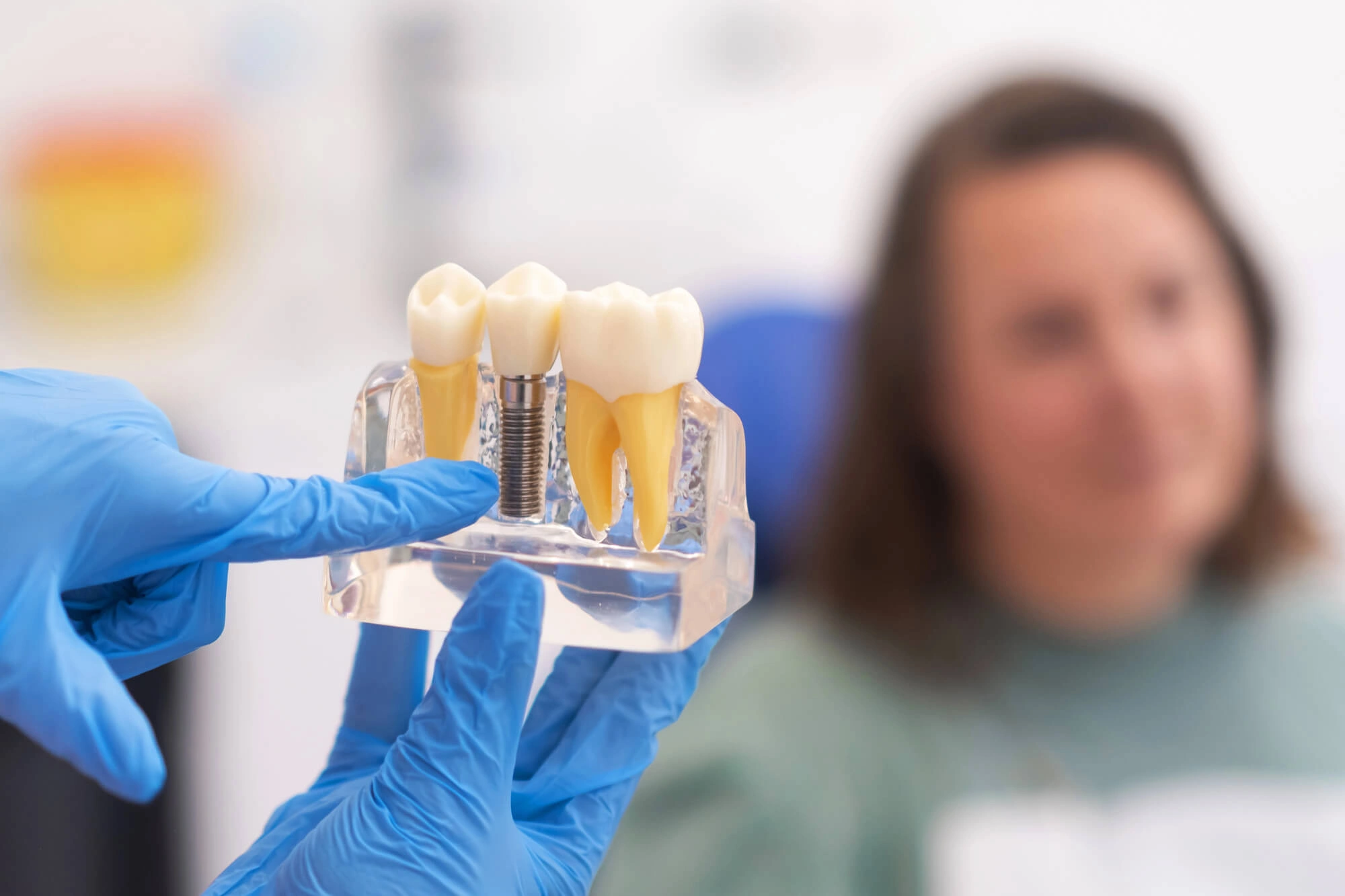
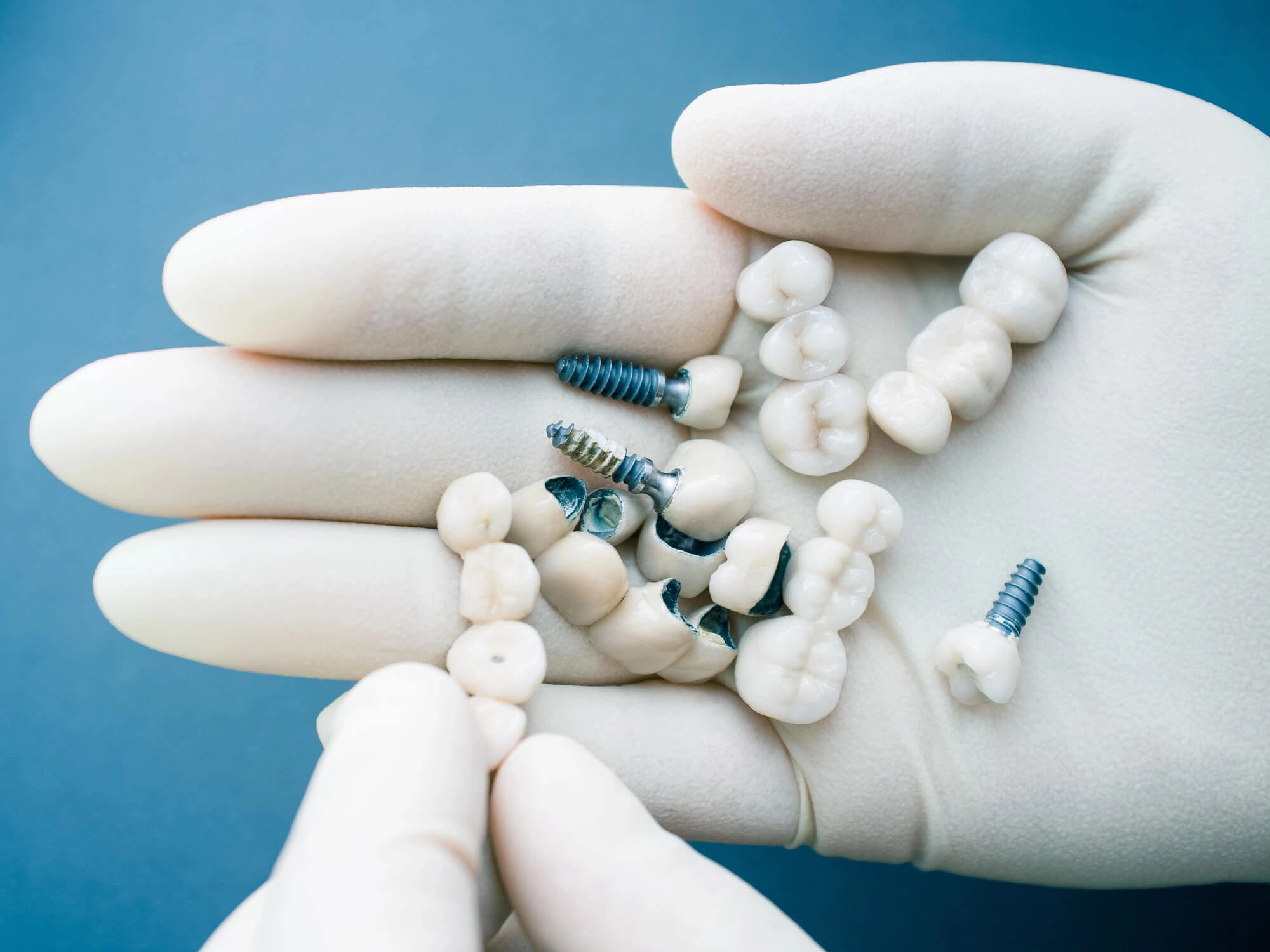
Dental implants are synthetic tooth roots shaped like small posts that are surgically placed into the jawbone. These posts are typically made of titanium, a material that bonds well with bone and is commonly used in medical procedures.
Once the implant integrates with the jawbone, it provides a stable foundation for a replacement tooth. This restoration may be a crown, bridge, or denture, depending on your needs. Implant-supported teeth can be fixed in place or removable, though fixed options often feel more like natural teeth.

Why Choose Dental Implants?
Dental implants are designed to look, feel, and function like natural teeth. Unlike traditional bridges or dentures, implants are anchored directly into the jawbone, providing greater stability and comfort.
Dental implants may help:
- Restore chewing strength and function
- Improve speech clarity
- Support jawbone health
- Prevent shifting of nearby teeth
- Enhance confidence and appearance
Because implants do not rely on neighboring teeth for support, they help preserve the health of your natural teeth. With proper care, implants can last for many years.
Candidacy Based on How Many Teeth You're Missing
The number of teeth you're missing helps shape which implant option may suit you best. Implants can be a good fit if you're missing one or more teeth and want a stable alternative to dentures or bridges.
- Missing one tooth: A single implant topped with a crown can replace the tooth without relying on neighboring teeth for support.
- Missing several teeth: Several implants can support a bridge to replace multiple missing teeth.
- Missing all of your teeth: A full set of implants can support a complete denture, which can be fixed in place or removable.
Your gums, bone, and overall health matter, too. Healthy gums with no active gum disease and enough bone to support the implant are important. Ideal candidates also don't smoke or are willing to stop during treatment. Even if you've been told in the past that you aren't a candidate, advancements in dental technology may provide new options.
Why Replacing Missing Teeth Matters
When a tooth is missing, the effects often go beyond appearance. Gaps in your smile can affect bite alignment, make chewing more difficult, and place additional stress on surrounding teeth. Addressing missing teeth early can help prevent additional complications and preserve your oral health.
Who Is a Candidate for Dental Implants?
Many patients are good candidates for dental implants. Ideal candidates typically:
- Have good overall oral health
- Have healthy gums with no active gum disease
- Have sufficient bone to support the implant
- Do not smoke or are willing to stop during treatment
During your consultation, Dr. Carandang will evaluate your oral health and determine whether implants are a suitable option for you.
Flexible Solutions for Missing Teeth
Dental implants are highly versatile and can be used to replace one tooth or multiple teeth.
- A single implant can replace one missing tooth
- Several implants can support a bridge for multiple missing teeth
- A full set of implants can support a complete denture
This flexibility allows treatment to be tailored to your specific needs and goals.
Advanced Planning & Implant Services
At Smiles in the Cove, we use advanced technology to plan implant placement with precision. Computer-enhanced treatment planning allows us to evaluate bone quality and structure in three dimensions, helping ensure optimal results.
In some cases, additional procedures may be recommended to prepare the area for implants, including:
- Bone grafting to strengthen areas with insufficient bone
- Sinus lift procedures for upper back teeth
- Implant site development following tooth removal
These treatments help create a stable foundation for long-term implant success.
Caring for Your Dental Implants
Dental implants should be cared for just like natural teeth. Daily brushing, flossing, and regular dental visits are essential to keeping your implants healthy.
Professional cleanings and routine checkups will help prevent plaque buildup and ensure your implants remain strong and functional for years to come.
Single, Multiple, and Full-Arch Implant Options
Every treatment plan is tailored to your individual oral health needs and goals. Here's how each implant option works.
Single-Tooth Implants
When one tooth is missing, a single implant replaces the root, and a custom crown replaces the visible part of the tooth. Because the implant doesn't rely on neighboring teeth for support, it helps preserve the health of your natural teeth. CEREC® technology supports the design of dental crowns with a high level of precision, helping create a restoration that looks natural and fits comfortably.
Implant-Supported Bridges
If you're missing several teeth, implants can support a bridge. Unlike a traditional bridge, an implant-supported bridge is anchored directly into the jawbone, which provides greater stability and comfort. This option can help restore chewing strength, improve speech clarity, and prevent shifting of nearby teeth. Because the bridge relies on implants rather than your natural teeth for support, it also helps preserve the health of your remaining teeth. Learn more about our implants and restorations.
Full-Arch Implant-Supported Dentures
When all of your teeth are missing, a full set of implants can support a complete denture. Implant-supported teeth can be fixed in place or removable, though fixed options often feel more like natural teeth. An implant-supported denture offers a stable alternative to traditional dentures and helps you chew, speak, and smile with confidence. Dr. Carandang will help you choose the solution that best fits your needs and goals.
The Dental Implant Process, Step by Step
Knowing what to expect can help you feel more comfortable and confident. Every treatment plan is different, but the implant process generally follows these steps.
Step 1: Consultation and Evaluation
Your treatment begins with a consultation. Dr. Carandang will evaluate your oral health and medical history and talk with you about your goals to determine whether implants are a suitable option. If you're new to our office, this visit may also include necessary X-rays and a comprehensive exam. See our new patient information to prepare.
Step 2: 3D Imaging and Treatment Planning
Our GALILEOS® 3D cone beam scanner captures detailed three-dimensional images of your teeth, roots, jawbone, and surrounding anatomy. Scans can be completed in as little as 14 seconds, and you can sit or stand during the scan. These images allow us to evaluate bone quality and structure and plan implant placement with precision. The detailed images also allow Dr. Carandang to clearly explain what we see, answer your questions, and guide you through your treatment options before treatment begins.
Step 3: Preparing the Implant Site, if Needed
Some smiles need extra preparation before an implant can be placed. Dr. Carandang may recommend bone grafting to strengthen areas with insufficient bone, a sinus lift for upper back teeth, or implant site development following tooth removal. If a damaged tooth needs to be removed first, we'll explain the extraction and help you plan the next steps.
Step 4: Implant Placement
The implant, a small titanium post, is surgically placed into the jawbone. Titanium bonds well with bone and is commonly used in medical procedures. Our team will guide you through each step, so you feel informed and comfortable throughout your care.
Step 5: Healing and Integration
Over time, the implant integrates with your jawbone, creating a stable foundation for your new tooth. Healing time varies from person to person, and Dr. Carandang will let you know what to expect based on your treatment plan.
Step 6: Placing Your Restoration
Once the implant has integrated, your custom restoration is attached. Depending on your needs, this may be a crown, bridge, or denture designed to look, feel, and function like natural teeth.
Dental Implant Cost and Financing
Some treatments are an investment, not just in your smile but in your long-term health and confidence. Because every implant plan is personalized, the cost varies from person to person. Factors that can affect the cost of your treatment include:
- The number of implants you need
- The type of restoration, such as a crown, bridge, or denture
- Whether you need bone grafting, a sinus lift, or other preparatory procedures
- Whether a tooth needs to be removed before implant placement
Before treatment begins, Dr. Carandang and our team will review your plan, answer your questions, and clearly explain costs so you can feel confident moving forward.
If you have dental insurance, we'll review your benefits, estimate your out-of-pocket costs, and handle claim submissions on your behalf. Coverage for implants varies by plan, so our team can help you understand what yours includes.
To make treatment more manageable, we offer financing through Sunbit. Sunbit features a quick application process, fast decisions for qualified applicants, flexible monthly payment options, and no hard credit check to get started. We also accept cash, checks, and most major credit cards. You can find more details on our financial information page. Our team is happy to answer your questions about payments, financing, or insurance before your appointment.
Recovery and Long-Term Implant Care
Recovery After Implant Placement
Some soreness, swelling, or tenderness is normal for a few days after implant placement. Following your aftercare instructions helps your mouth heal comfortably. In general, you can support healing by:
- Resting as directed
- Eating soft foods and chewing away from the implant site
- Keeping the area clean with gentle brushing
- Avoiding smoking during the healing period
- Taking any medications as directed
If you notice excessive bleeding, increasing pain, or other unexpected symptoms, contact our office right away. For urgent concerns, see our emergency dentistry page.
Protecting Your Implants for the Long Term
With proper care, dental implants can last many years, often decades. Keep up with daily brushing and flossing, and attend regular dental cleanings so we can monitor your implants and the surrounding gums. Healthy gums support healthy implants, and our periodontal care can help prevent, manage, and treat gum disease. If you have questions about caring for your implants, our team is happy to help.
Dental Implant FAQs
What are dental implants?
Dental implants are a long-term solution for replacing missing teeth. Each one consists of a titanium post placed in the jawbone and a custom restoration on top.
Am I a candidate for dental implants?
If you're in good overall health and have sufficient bone density, you may be a candidate. Healthy gums with no active gum disease also matter. A consultation and imaging help determine whether implants are right for you.
How many teeth can dental implants replace?
Implants can replace one tooth or many. A single implant replaces one tooth, several implants can support a bridge, and a full set of implants can support a complete denture.
How long do dental implants last?
With proper care, dental implants can last many years, often decades, making them a durable and reliable option.
What if I don't have enough jawbone for an implant?
Bone grafting can strengthen areas with insufficient bone, and a sinus lift may help prepare the upper back teeth for implants. Dr. Carandang will let you know whether you need any preparatory procedures.
How much do dental implants cost?
The cost depends on your treatment plan, including how many implants you need, the type of restoration, and whether you need preparatory procedures. We'll explain costs before treatment begins, and financing through Sunbit is available for qualified applicants.
What is recovery like after implant placement?
Mild soreness and swelling are common for a few days. Eating soft foods, keeping the area clean, and following your aftercare instructions can help you heal comfortably.
How do I care for my dental implants?
Care for them just like natural teeth. Daily brushing, flossing, and regular dental visits help keep your implants healthy and strong. Professional cleanings and routine checkups also help prevent plaque buildup.

Are You Considering Dental Implants in Panama City, FL?
If you're interested in replacing missing teeth and restoring your smile, Smiles in the Cove is here to help. Contact our office today to schedule your dental implants appointment and learn more about your options.