

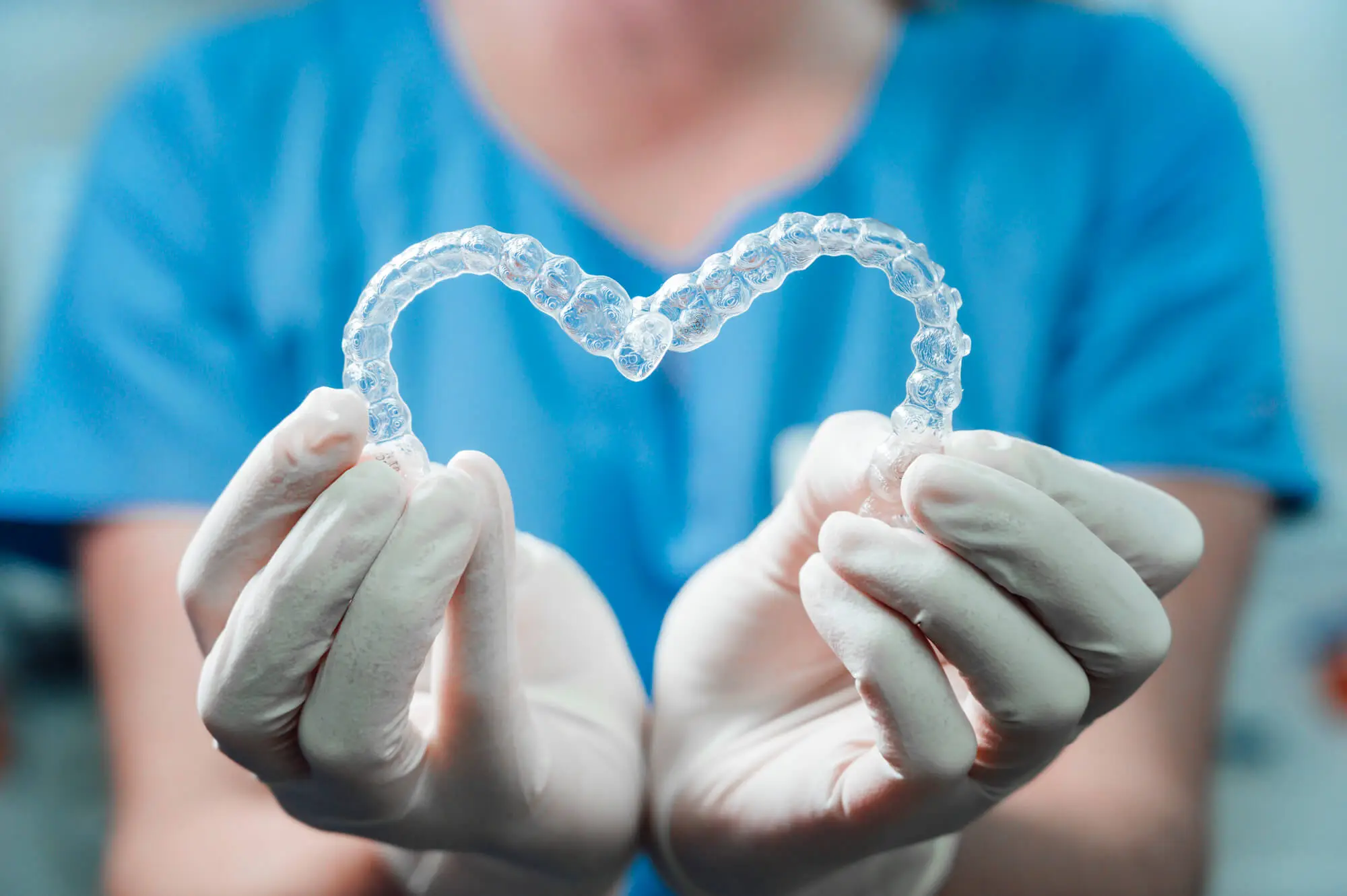

A Better Way to Straighten your smile
If you've been thinking about straightening your teeth but aren't interested in traditional braces, Invisalign® may be the solution you're looking for. At Smiles in the Cove, we help patients achieve healthier, more confident smiles using clear aligners designed to fit comfortably into everyday life.
Dr. Rey Carandang takes a personalized approach to Invisalign treatment, helping patients understand their options and feel supported throughout the process.

What Is Invisalign?
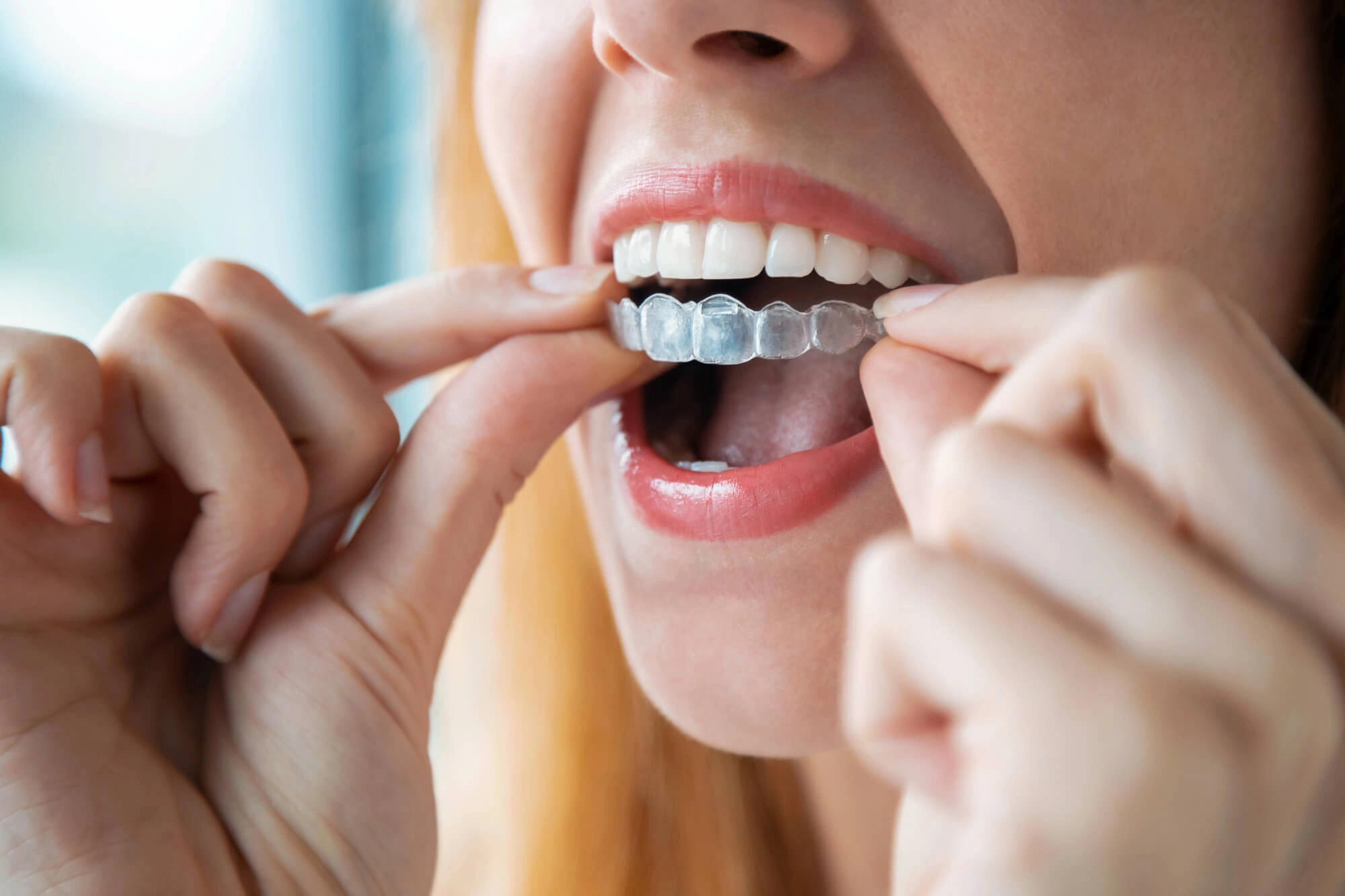
Invisalign is a clear aligner system designed to gradually move teeth into their desired positions. Instead of metal brackets and wires, treatment uses a series of custom-made aligners that are nearly invisible when worn.
The aligners are removable, making it easier to eat, brush, and floss compared to traditional orthodontic options. Many patients appreciate the convenience and flexibility that Invisalign offers.


What Dental Issues Can Invisalign Correct?
Straighter teeth can improve more than appearance. Proper alignment can also support oral health by making teeth easier to clean and helping improve bite function.
Invisalign may help address:
- Crowded teeth
- Gaps between teeth
- Mild bite concerns
- Crooked teeth
For many patients, treatment provides both cosmetic and functional benefits.
Who Is a Good Candidate for Invisalign?
Invisalign may be a good fit if you're bothered by crowded teeth, gaps between teeth, crooked teeth, or mild bite concerns and you'd prefer an option without metal brackets and wires. The right choice depends on your smile, your goals, and your overall oral health.
You may be a good candidate if you:
Have one or more of the alignment concerns listed above
Want a discreet, removable way to straighten your teeth
Are ready to wear your aligners for most of the day, every day
Have healthy teeth and gums, or are open to addressing other dental needs first
Can keep up with regular progress check-ins
Because the aligners are removable, your results depend on wearing them as directed. Clear aligners are typically worn about 20 to 22 hours a day and taken out only to eat, drink anything other than water, brush, and floss.
During your consultation, Dr. Carandang will discuss your goals, evaluate your smile, and assess your overall oral health. If another need should come first, such as periodontal care or a filling, we'll explain your options so you can make an informed decision.
Invisalign for Teens
Invisalign isn't only for adults. Teens can straighten their teeth with clear aligners too, often once most of their permanent teeth have come in. Because we provide family dental care, your teen's Invisalign treatment and the rest of your family's dental care can happen in one place.
Many teens like Invisalign because the aligners are:
Nearly invisible: Aligners are hard to notice, which can help teens feel more confident at school, in photos, and with friends.
Removable: Aligners come out for meals, so there are no brackets or wires to work around when eating, brushing, or flossing.
Easy to fit around activities: Aligners can be taken out when a mouthguard is needed for sports.
Removable aligners also come with responsibility. Teens need to wear them most of the day, store them in their case when they're out, and switch to each new set on schedule. Some aligners made for teens include wear indicators that help show whether they're being worn enough. Parents can help by building aligner care into the daily routine and keeping a spare case in their teen's backpack.
At the consultation, Dr. Carandang will evaluate your teen's smile and talk with both of you about whether Invisalign is the right option.
What to Expect During Invisalign Treatment
Understanding the process can help you feel more confident about starting treatment. At Smiles in the Cove, we guide you through each step so you always know what to expect.
Step 1: Consultation and Evaluation
Your Invisalign treatment begins with a consultation. Dr. Carandang will discuss your goals, evaluate your smile, and assess your overall oral health to determine whether Invisalign is the right option for you.
Step 2: Custom Treatment Plan
If Invisalign is a good fit, we'll create a personalized treatment plan designed around your unique needs. This plan maps out how your teeth will gradually shift over time.
Step 3: Wearing Your Aligners
You'll receive a series of custom aligners that gently move your teeth into position. Each set is worn for a specific period before moving on to the next, allowing for gradual and controlled progress.
Step 4: Progress Check-Ins
Regular check-ins with our team help ensure your treatment is progressing as planned. These visits allow us to monitor your results and make any necessary adjustments along the way.
Step 5: Ongoing Support
Throughout your treatment, our team is here to answer questions, provide guidance, and help you feel confident every step of the way.
How Long Does Invisalign Treatment Take?
Every treatment plan is different, so your timeline depends on how much your teeth need to move and how consistently you wear your aligners. Many people complete treatment in about 12 to 18 months, while milder cases may finish sooner. Your custom treatment plan maps out how your teeth will gradually shift over time, so you'll have an estimated timeline before you begin.
Here's a general look at how treatment unfolds:
Consultation and evaluation: Dr. Carandang reviews your goals and your overall oral health.
Treatment planning: We create a personalized plan designed around your needs.
Daily aligner wear: You switch to a new set of aligners about every one to two weeks, or as directed.
Progress check-ins: Regular visits let us monitor your results and make any necessary adjustments.
Keeping your results: After treatment, a retainer helps keep your teeth from shifting back.
You can help keep your treatment on schedule by wearing your aligners as directed, moving to each new set on time, keeping your aligners clean, and attending every check-in.
Invisalign vs. Braces
Both Invisalign and traditional braces move teeth into better positions. The difference is how they do it and how they fit into your daily life.
Appearance: Invisalign uses clear, nearly invisible aligners, while braces use metal brackets and wires.
Removability: Invisalign aligners come out for eating, brushing, and flossing. Braces stay on until treatment ends.
Eating: With Invisalign, you take your aligners out to eat. With braces, some hard and sticky foods may need to be avoided.
Brushing and flossing: Invisalign lets you brush and floss as usual. Cleaning around brackets and wires takes extra time.
Daily commitment: Invisalign aligners need to be worn about 20 to 22 hours a day. Braces leave nothing to remember to put in.
Adjustments: Invisalign moves you to new aligners on a set schedule. Braces wires are adjusted during office visits.
Invisalign can be a good choice if you want a discreet option and feel comfortable keeping up with daily wear. Braces may be recommended for some more complex cases, or for people who would rather not keep track of removable aligners. If Invisalign isn't the best fit for your needs, we'll talk with you about your options so you can choose an approach that suits your smile and lifestyle.
Invisalign Cost and Financing
The cost of Invisalign varies from person to person, so a consultation is the best way to know what to expect. Because your treatment plan is built around your unique needs, several factors can affect your total investment:
How complex your alignment concerns are
How long treatment is expected to take and how many aligners you'll need
Whether any other dental care is needed before you start
Retainers to help maintain your results after treatment
Orthodontic benefits vary by insurance plan. Some plans include coverage for clear aligners, while others don't. Our team can review your benefits, provide an estimate of your out-of-pocket costs, and help handle insurance claims.
We also offer several payment options, including cash, checks, most major credit cards, and secure online payments. Financing is available through Sunbit, with no hard credit check to get started.
Invisalign FAQs
Does Invisalign hurt?
You may feel some pressure or mild soreness for a few days when you switch to a new set of aligners. This feeling usually eases as you get used to each set.
How many hours a day do I need to wear my aligners?
Aligners are typically worn about 20 to 22 hours a day. Take them out only to eat, drink anything other than water, brush, and floss.
Can I eat with my aligners?
No. Take your aligners out before eating, then brush your teeth before putting them back in so food doesn't get trapped. Because the aligners are removable, eating is easier than with traditional braces.
Will people be able to tell I'm wearing aligners?
Invisalign aligners are nearly invisible when worn, which makes them a discreet way to straighten your smile.
How do I clean my aligners?
Rinse your aligners each time you take them out, and brush them gently with a soft toothbrush and cool or lukewarm water. Avoid hot water, which can warp the plastic.
Do I need a retainer after Invisalign?
Yes. Teeth can shift after treatment, and a retainer helps maintain your new smile. Dr. Carandang will explain how and when to wear it.
Is Invisalign only cosmetic?
No. Straighter teeth can improve more than appearance. Proper alignment can make teeth easier to clean and help improve bite function.
How do I get started?
The first step is a consultation with Dr. Carandang. If you're new to Smiles in the Cove, our new patient information page explains what to bring to your first visit.

Straighten Your Smile with Invisalign in Panama City, FL!
*Invisalign®, the Invisalign logo, and iTero®, among others, are trademarks and/ or service marks of Align Technology, Inc. or one of its subsidiaries or affiliated companies and may be registered in the U.S. and/or other countries.